Your older neighbors are worried about the snowy winter ahead. Here’s how you can help them.
Nov 1st, 2025
By Miriam Colacci, Program Coordinator at Senior Community Services
The first heavy snow is always a reminder: we Minnesotans know winter is no joke. And for this upcoming winter, the National Oceanic and Atmospheric Administration (NOAA) has officially projected colder temperatures and more snow than average for our state.
For many, winter is a time of bundling up and braving a white landscape. But for older adults, especially those who live alone or have limited mobility, winter can be more than just a seasonal inconvenience. It can be isolating. It can be dangerous. It can even be life-altering.
Falls are the leading cause of injury among adults 65 and older, and more than one in four older adults fall each year (Source: CDC). In Minnesota, the rate of fatal falls among individuals 65+ is nearly double the national average, with nearly 142 per 100,000 dying from fall-related injuries in 2021—one of the highest rates in the country (Source: Star Tribune).
For someone with weaker balance or mobility challenges, slippery sidewalks, unshoveled driveways, and icy stairs aren’t just a nuisance, they’re potentially life-threatening and isolating. Snow piles can bury paths to the mailbox or car, lead to missed medical appointments, and block critical access for emergency responders, home health aides, and meal deliveries. And beyond the physical danger, winter deepens loneliness. Snowed in and unable to clear the way, many older adults may become isolated from important social connections, like senior centers, church, or visits with friends. That isolation can take a toll, with studies showing it increases risks of depression, cognitive decline, and serious health conditions.
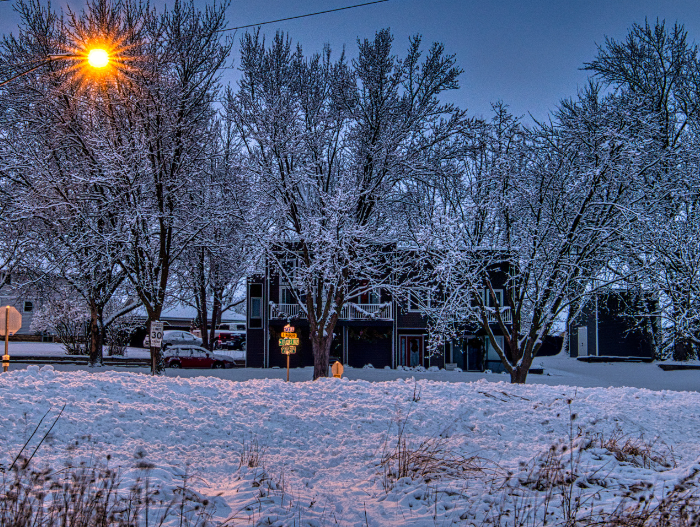
As a Program Coordinator for a nonprofit serving older adults, Senior Community Services (SCS), my coworkers and I see this every winter when providing snow removal services. We partner seniors with vetted workers and volunteers who can shovel driveways, clear sidewalks, and spread salt and sand.
Behind each request for snow removal is a person. Consider Mrs. Johnson—a 78-year-old widow with limited mobility whose driveway hasn’t been cleared for three days after a storm. She grows anxious and feels trapped inside her home. When she is finally paired with a volunteer or worker to clear her snow for the winter, she is profoundly grateful just to be able to open her door again, something most of us take for granted. It’s a very common story here at SCS.
“It’s not just about clearing snow,” says Kent R. Smith, a field worker for SCS. “It’s about helping someone feel like they’re safe and not alone…knowing they can step outside without fear.”
The ongoing connections older adults have with their service providers matters. Program participants receiving our services often form trusted relationships with their snow removal workers and program coordinators. Knowing that SCS staff are looking out for them helps lessen anxiety and creates a sense of security. That trust runs deep because our mission isn’t about profit; it’s about people. Each small act of service adds up to a world of difference. Prevented falls, restored mobility, and friendly visits that may break days of silence all remind someone that they’re not alone.
But we cannot do this alone. If you live near older neighbors, here’s how you can help:
- Lend a hand (or shovel). Offer to clear their sidewalk or driveway after a storm.
- Check in regularly. Call, visit, or run a quick errand if needed. Even a short conversation warms more than hands.
- Spread the word. Encourage community groups, homeowner associations, congregations, and local leaders to prioritize snow removal aid for vulnerable neighbors.
- Become a volunteer or paid snow removal worker for Senior Community Services or another organization. Help us expand the number of people we can help this season.
Let’s view this snowier winter as an opportunity to demonstrate Minnesota’s strongest trait: community. No senior in our communities should feel trapped, forgotten, or unsafe while the snow piles up outside. Together, we can help keep our older neighbors safe, connected, and part of the community that turns a place into a home.